

The Truth Behind Common Radon Myths
Misinformation about radon can put families at risk. From downplaying its dangers to believing it’s only a basement problem, these myths prevent homeowners from taking necessary action. At Absolute Radon Solutions, we believe knowledge saves lives—and we’re here to help you separate fact from fiction.
Key takeaway for homeowners
Take action today
Radon is invisible, odorless, and unpredictable—but it is testable and fixable. Myths often delay action, while testing provides certainty and peace of mind.
Myth #1: "Radon is only a problem in certain areas"
Why people believe it:
Radon maps and zone charts can give the impression that only specific regions are affected.
The reality:
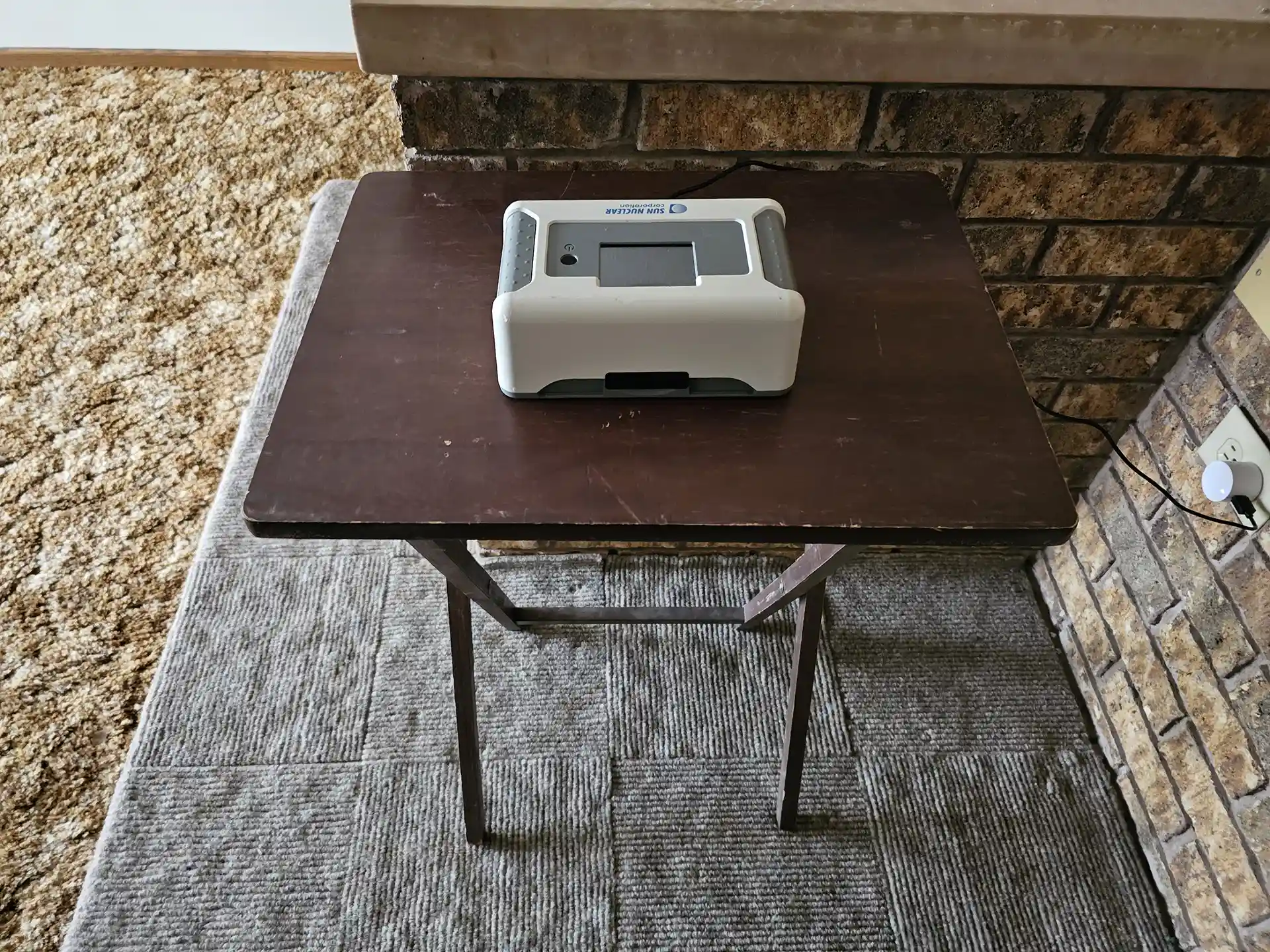
While some areas are statistically more likely to have elevated radon, radon levels can vary dramatically from house to house—even next door neighbors can have very different results. Soil composition, foundation design, and air pressure differences all play a role.
Bottom Line:
Geographic location alone cannot determine radon risk. Every home should be tested, regardless of area or zone.
Myth #2: "Radon isn't a problem if I don't have a basement"
Why people believe it:
Radon is often associated with basements, so homeowners without one assume they are not at risk.
The reality:
Radon enters a home through any opening that contacts the ground, including slab, foundations, crawlspaces, sump pits, expansion joints, and utility penetrations. Homes without basements can—and often do— test above the EPA action level.
Bottom Line:
No basement does not mean no radon. All foundation types are susceptible.
Myth #3: "If my home is new or well-built, I don't have a radon problem"
Why people believe it:
Many homeowners assume modern construction techniques, tight building envelopes, or new foundations prevent radon from entering a home.
The reality:
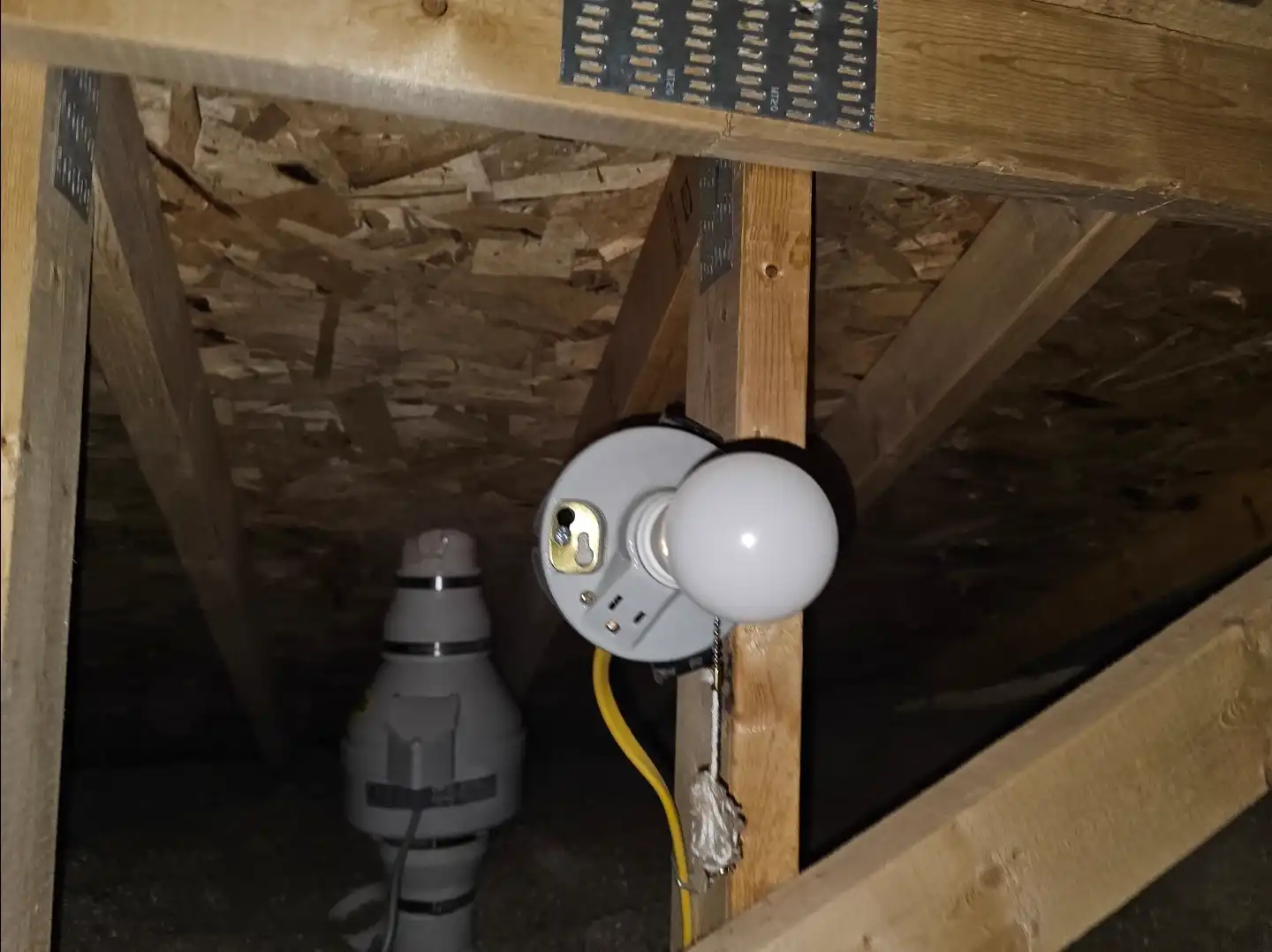
Radon does not discriminate by age or quality of construction. In fact, newer homes can sometimes have higher radon levels because they are more energy-efficient and tightly sealed, which reduces natural air exchange and allows radon to accumulate. Radon enters through the soil beneath a home, not because of poor construction.
Bottom Line:
New homes, old homes, slab-on-grade homes, basements, and crawlspaces can all have elevated radon levels. The only way to know is to test.
